If you’ve been scrolling through the internet or social media about weight loss, you’ve probably heard Zepbound mentioned right alongside “clean eating” and gym challenges. But with so much hype, it’s fair to ask:
- Does this new weight loss injection really beat a solid lifestyle program built on nutrition, exercise, and habits?
- Whether a medication‑first, lifestyle‑first, or combined approach best fits your health status, budget, and ability to stay consistent
Well, to give you a clear picture, in this blog, we’ll unpack what Zepbound actually does in your body, how much weight people are really losing in clinical trials, and how that compares to structured lifestyle plans that focus on long-term behavior change. The goal is to gain clarity and help decide what might make the most sense for you.
Weight Loss Approaches: Key Insights Summary
|
Understanding Modern Weight Loss Approaches
Two major approaches dominate modern obesity treatment today: Medicines (such as Zepbound for weight loss) and structured lifestyle modification programs.
Understanding Zepbound
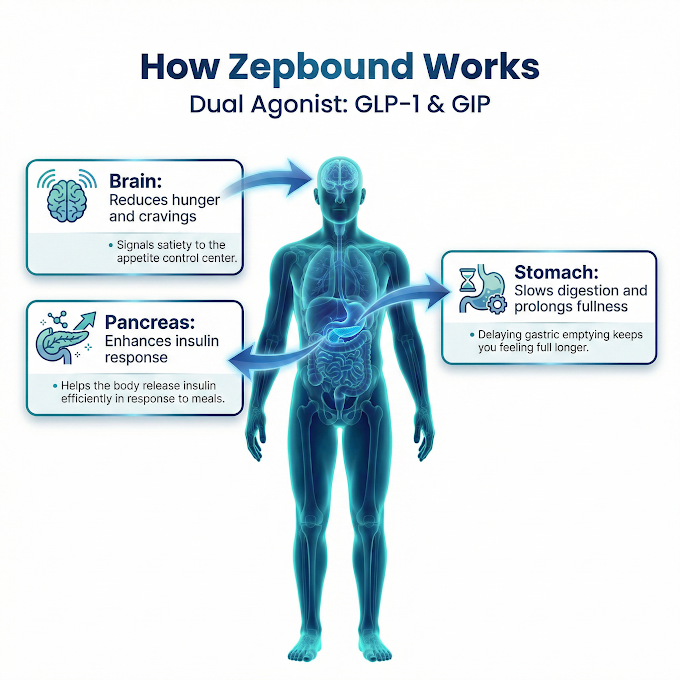
Zepbound is the brand name for tirzepatide, a weekly self-administered injection approved by the FDA for chronic weight management in adults with obesity (BMI ≥30) or overweight (BMI ≥27) with at least one weight-related health condition. Trials published in the PR Newswire show ~20–23% weight loss, outperforming semaglutide, with sustained long-term benefits and reduced diabetes risk.
What Lifestyle Weight Loss Programs Typically Include
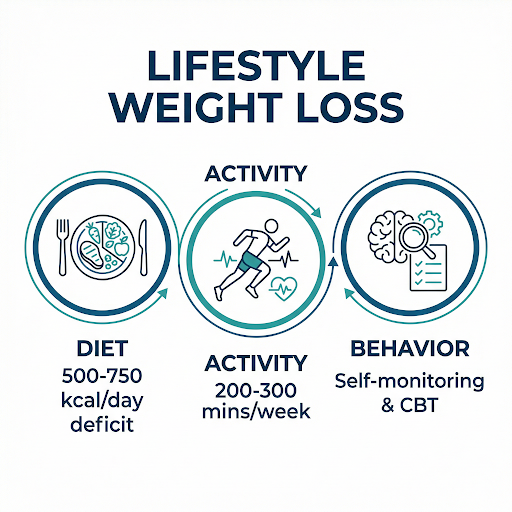
Structured lifestyle programs are built on three core pillars supported by decades of evidence:
- Diet / Nutritional Changes: Calorie restriction remains the cornerstone of lifestyle-based weight loss. Clinical guidelines recommend a deficit of 500–750 kcal/day, typically achieved by prescribing 1,200–1,500 kcal/day for women and 1,500–1,800 kcal/day for men.
- Physical Activity: Another major aspect is physical activity. Research published in the NCBI shows successful long-term weight maintainers perform 200–300 minutes per week of moderate-intensity aerobic exercise. Structured exercise adds 1.5–3.5 kg of weight loss and significantly reduces visceral fat compared to minimal-activity groups.
- Behavior Modification: Lastly, behavior modifications, including self-monitoring of food intake, body weight, and physical activity, are vital for successful programs. Cognitive behavioral therapy (CBT) techniques help individuals identify triggers for overeating, build coping strategies, and sustain long-term habit change.
Effectiveness: Zepbound vs Lifestyle Weight Loss Programs
| Category | Zepbound (Tirzepatide) | Lifestyle Weight Loss Programs |
| Type of Treatment | Prescription medication (weekly injection) | Non-pharmacological (diet, exercise, behavior therapy) |
| Mechanism of Action | Dual GIP + GLP-1 receptor agonist → reduces appetite, slows gastric emptying, improves insulin sensitivity | Calorie deficit + increased energy expenditure + behavioral changes |
| Average Weight Loss | ~15–23% body weight | ~5–10% body weight |
| Speed of Results | Rapid (significant loss within 3–6 months, peak ~1–1.5 years) | Gradual (months to years; slower but steady) |
| Effect on Hunger | Directly suppresses appetite and food cravings | Indirect—requires conscious control and discipline |
| Metabolic Benefits | Improves insulin sensitivity, reduces diabetes risk, and improves cardiometabolic markers | Improves blood pressure, cholesterol, and glucose through weight loss and fitness |
| Side Effects / Risks | GI symptoms (nausea, vomiting, constipation); rare and temporary risks | Minimal medical risk; risk mainly from poor adherence or extreme dieting |
| Cost & Accessibility | Expensive; may require insurance coverage; prescription required | Low to moderate cost; widely accessible |
| Effort Required | Lower behavioral effort (drug assists appetite control) | High effort—requires sustained discipline and habit change |
Who Should Consider Zepbound (Tirzepatide)?
- Adults with BMI ≥30 (obesity): Meets FDA-approved criteria; strongest evidence of benefit in this group from SURMOUNT trials.
- BMI ≥27 with comorbidities: Especially those with Type 2 Diabetes, Hypertension, Dyslipidemia, or Obstructive Sleep Apnea.
- Patients with prediabetes are at high risk: Trials show ~94% reduction in progression to Type 2 Diabetes over 3 years.
- Those who failed lifestyle interventions: Clinically defined as <5% weight loss after 3–6 months of structured diet + exercise.
- Individuals with strong biological hunger signals: Frequent cravings, binge tendencies, or difficulty sustaining calorie deficits. Zepbound directly targets appetite hormones.
- People with obesity-related functional limitations: Joint pain, reduced mobility, or severe fatigue, where exercise is difficult initially.
Who Should Choose Lifestyle Weight Loss Programs?
- BMI <27 without major comorbidities: First-line recommendation across all major guidelines; medication usually not indicated.
- Early-stage weight gain (≤10–15 kg excess weight): More responsive to calorie deficit and physical activity alone.
- Weight maintenance after weight loss (including post-drug use): Critical for preventing regain; exercise (200–300 min/week) is strongly linked to long-term success.
- Behavioral or emotional eating patterns: Benefit from structured interventions like CBT, self-monitoring, and habit restructuring.
How To Get Started With Zepbound Weight Loss?
Consult a Qualified Concierge Weight Loss Physician
Make sure a licensed and board certified physician reviews your health history. Dr. Adonis Saremi offers concierge weight loss in San Diego by appointment only. During your private consultation, he willevaluate your medical history, current medications, and prior weight-loss efforts and consider medicine like Zepbound when clinically indicated. This step ensures safety, screens for contraindications, and helps determine whether medication is necessary alongside lifestyle interventions.
Complete Baseline Health Assessment
Before starting treatment, doctors typically assess blood sugar, cholesterol levels, liver and kidney function, and blood pressure. These baseline measurements help track progress, identify underlying metabolic issues, and ensure the medication can be used safely.
Start With a Low Dose (Dose Escalation Protocol)
Zepbound is a once-weekly injection administered under the skin, usually in the abdomen, thigh, or upper arm. Treatment begins with a low weekly dose that is gradually increased over time. Proper technique and rotating injection sites are important to ensure consistent absorption and reduce the risk of irritation or discomfort.
Monitor Progress Regularly
Although highly effective, Zepbound works best when combined with calorie control and regular physical activity. Regular monitoring of weight, waist size, and metabolic markers helps assess effectiveness and safety. Clinicians typically look for at least 5% weight loss within a few months at an effective dose to determine if treatment should continue.
Adjust Dose Based on Response & Tolerance
Dose adjustments are individualized based on how well the patient tolerates the medication and how much weight loss is achieved.
What to Expect When Starting a Zepbound Weight Loss Program?
Starting a Zepbound (tirzepatide) program, expect gradual weight loss—about 5–10% in 3–6 months and up to 15–20% over a year with lifestyle changes. Early appetite reduction and mild side effects are common. Long-term success depends on continued use and sustainable habits.
Conclusion
In reality, the most effective weight loss strategy is rarely “either-or” but a personalized combination of medication and lifestyle change. While Zepbound delivers powerful, clinically proven results, long-term success depends on medical guidance and sustainable habits. Under expert care from Dr. Adonis Saremi, members receive tailored, concierge-based programs that integrate advanced therapies with lifestyle coaching, maximizing results sustainably over time.
So, schedule a consultation today for a personalized weight loss plan designed specifically for you (limited members).
FAQs
How quickly does Zepbound start working?
Most people notice appetite reduction within the first 1–2 weeks, but visible weight loss typically begins after 4–8 weeks as the dose gradually increases.
Does Zepbound affect muscle mass during weight loss?
Like most weight loss methods, some muscle loss can occur, but combining resistance training and adequate protein intake helps preserve lean muscle mass.
Can Zepbound be used without dieting?
It can reduce appetite independently, but results are significantly better when combined with structured nutrition and healthy eating patterns.
What happens if you miss a dose of Zepbound?
If a dose is missed, it can usually be taken within 4 days; otherwise, skip it and resume the next scheduled dose without doubling. Speak to your physician for specific medical advice regarding dosing.
Can Zepbound help with belly fat specifically?
Weight loss occurs throughout the body, but studies show significant reduction in visceral (abdominal) fat, which is linked to metabolic health improvements.
Can you switch from lifestyle programs to Zepbound later?
Yes, many individuals begin with lifestyle changes and add medication later if progress is insufficient or weight-related health risks increase.